





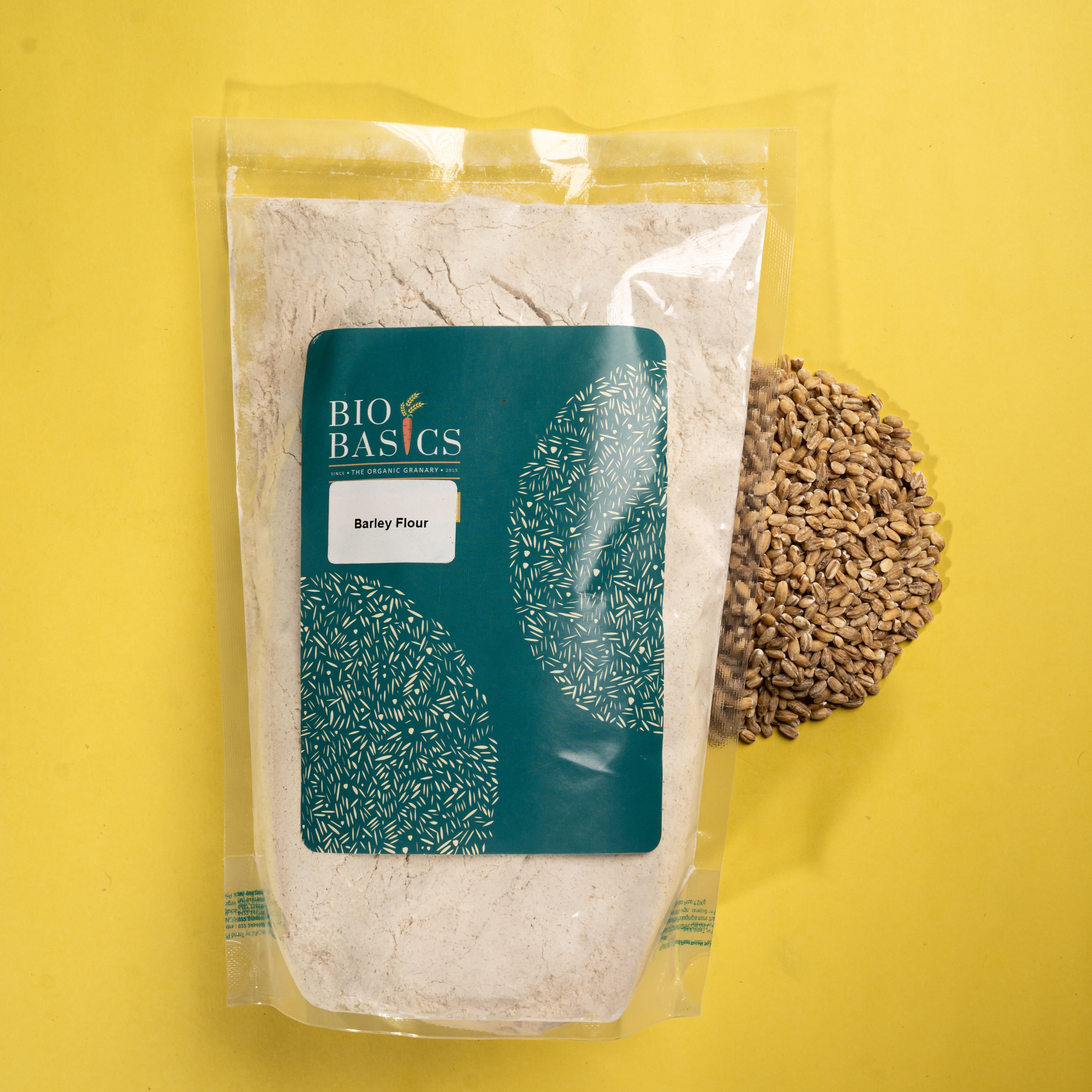

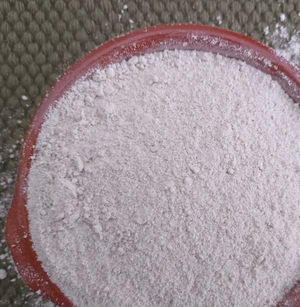
Barley Flour
Barley Flour
Description


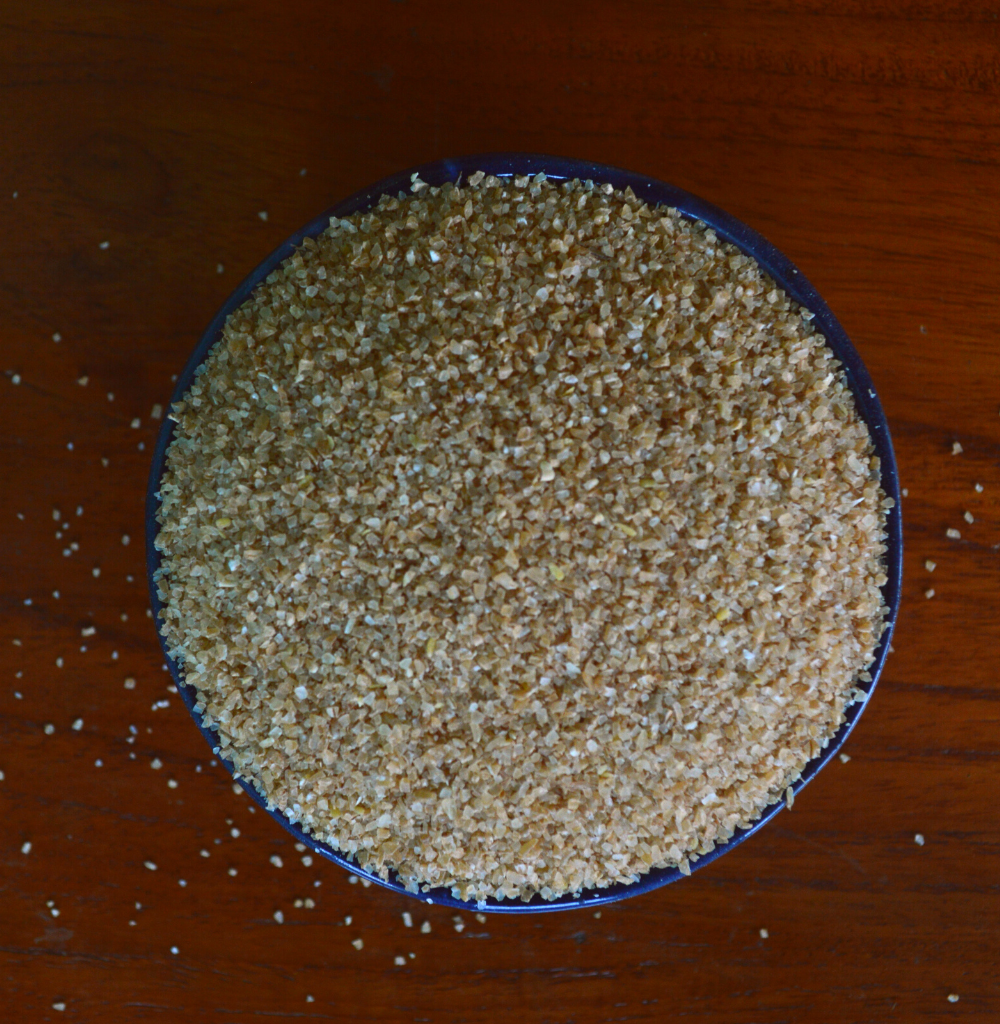
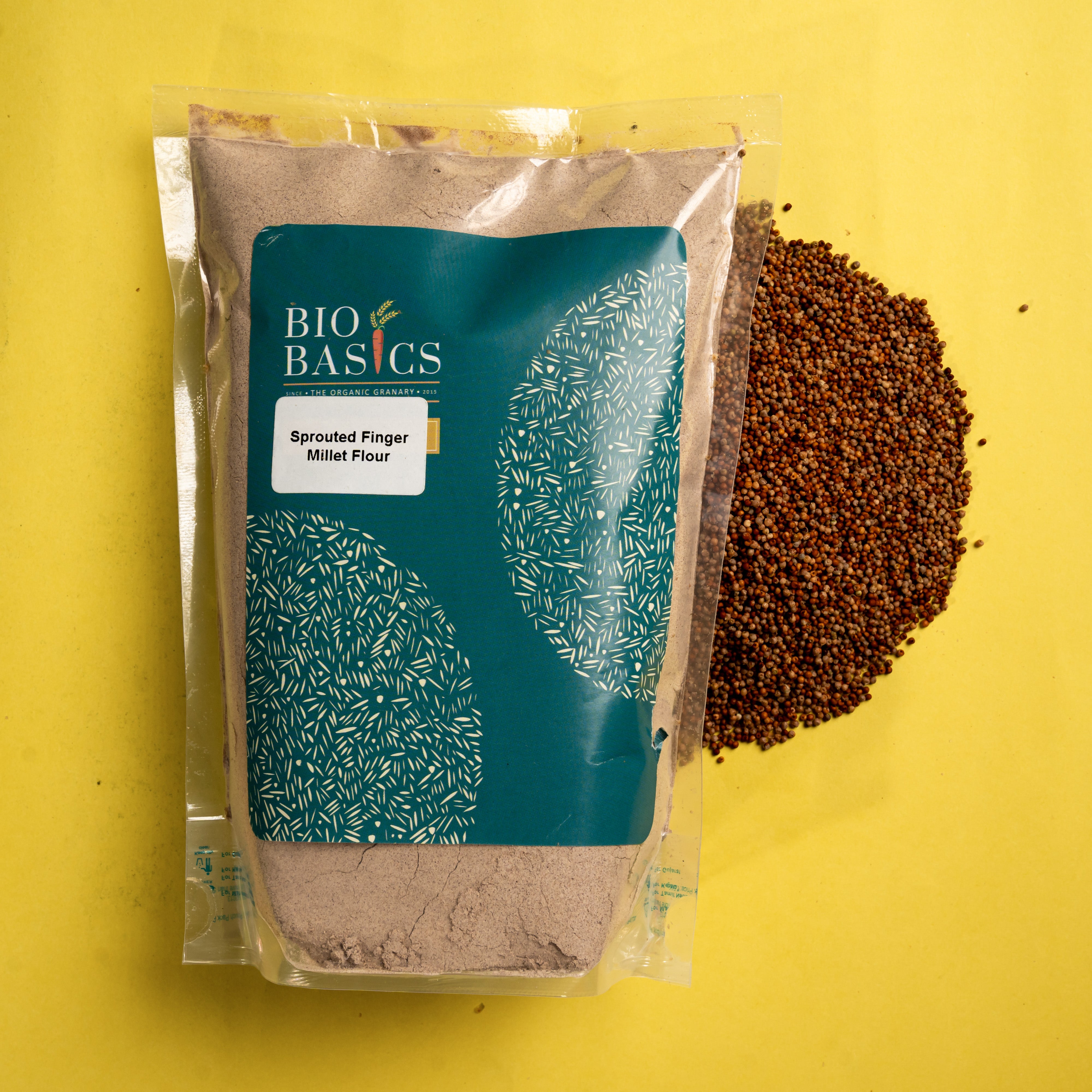
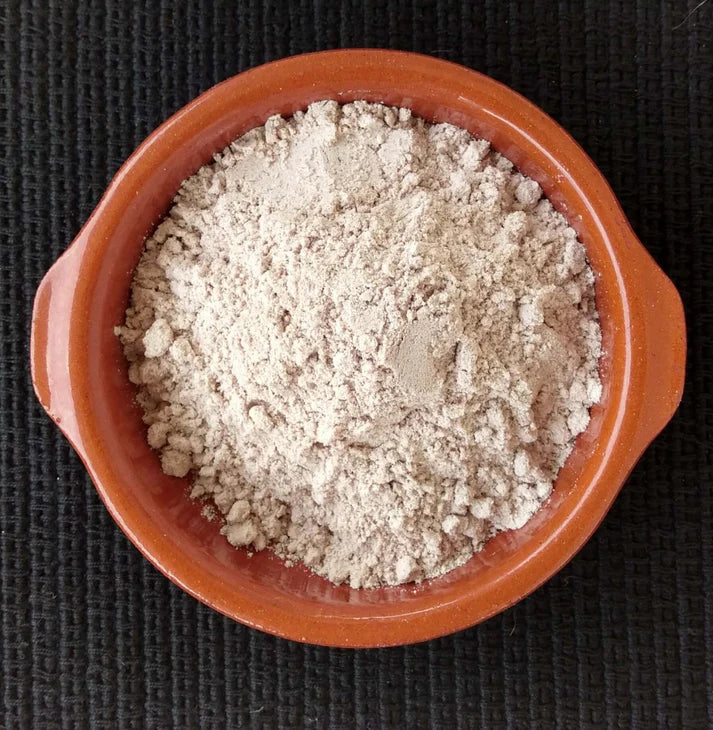
Barley flour is prepared by milling dehusked barley grains.
Barley (hulled) is whole barley grains that have been dehusked to remove their inedible cover, making it ready for further processing into flour, rava, or dalia.
Barley, which looks very similar to wheat and is colloquially called "barley wheat," is not actually wheat. It is Hordeum vulgare, a member of the grass family and one of the oldest grains cultivated by mankind. Barley is called Jau in Hindi and Yava in Sanskrit; it is a much revered ancient grain.
It is known for a nutty flavor, is highly fibrous, is rich in beta-glucan, magnesium, and selenium, and serves as a healthy, lower-GI (glycemic index), and lower-gluten alternative to wheat. It contains gluten like wheat, but gluten levels are much lower.
Nutritional Profile: High in soluble and insoluble fiber, which promotes satiety, aids in weight loss, and helps lower cholesterol.
Glycemic Index: Low GI, making it suitable for diabetic-friendly diets. It is cited as between 28-35 based on publicly available data.
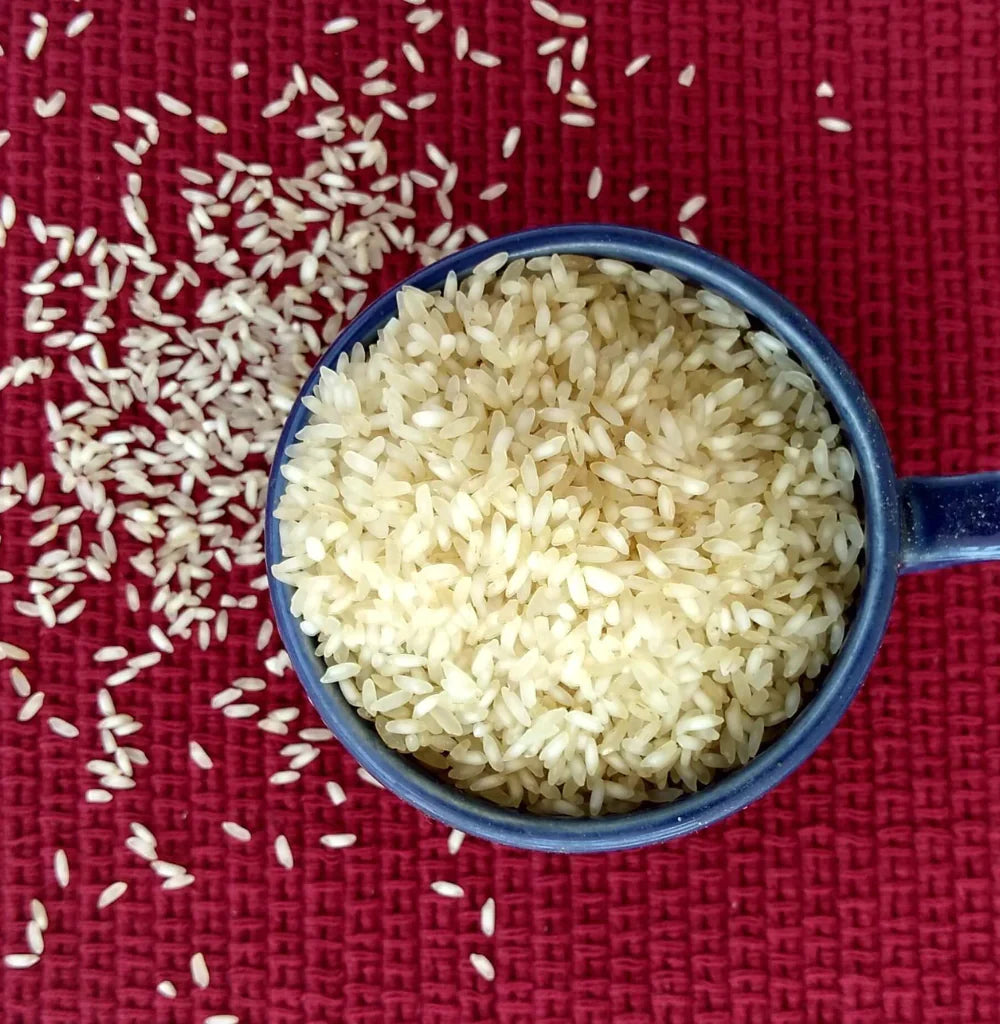
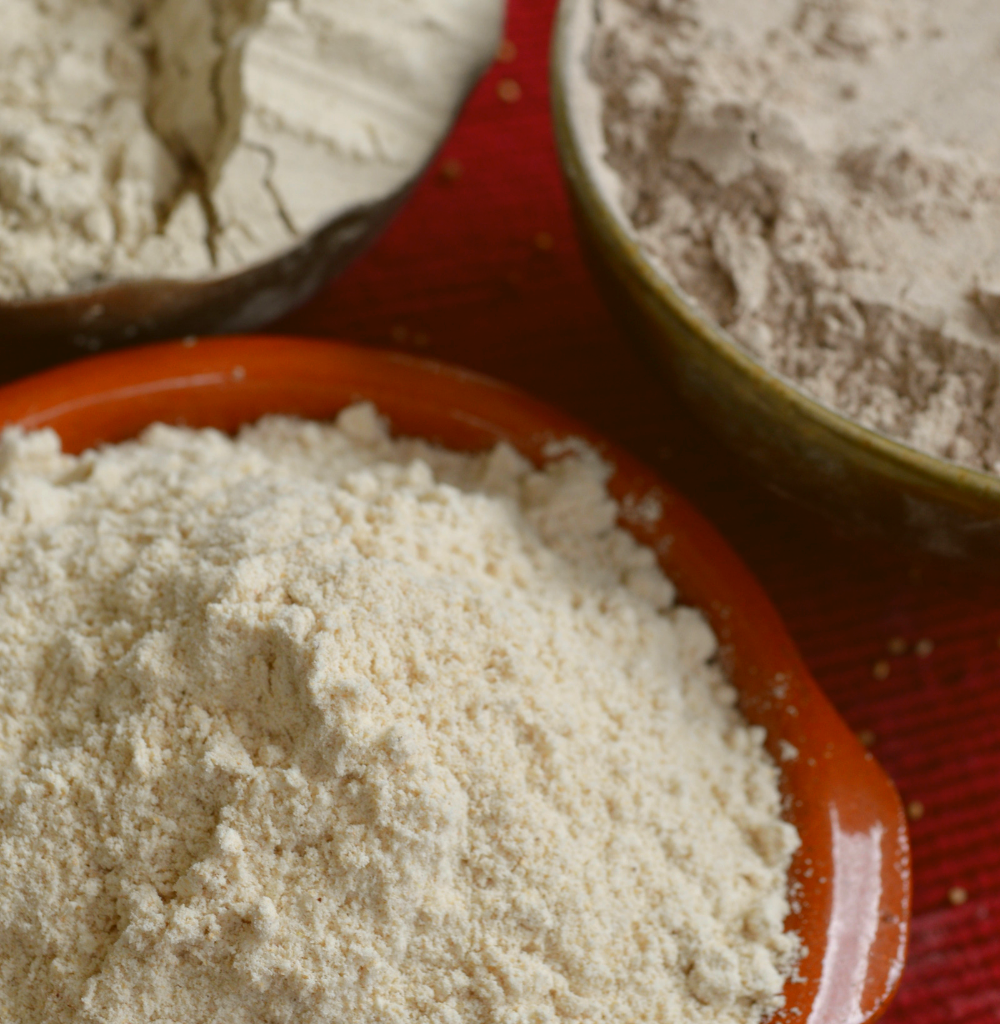
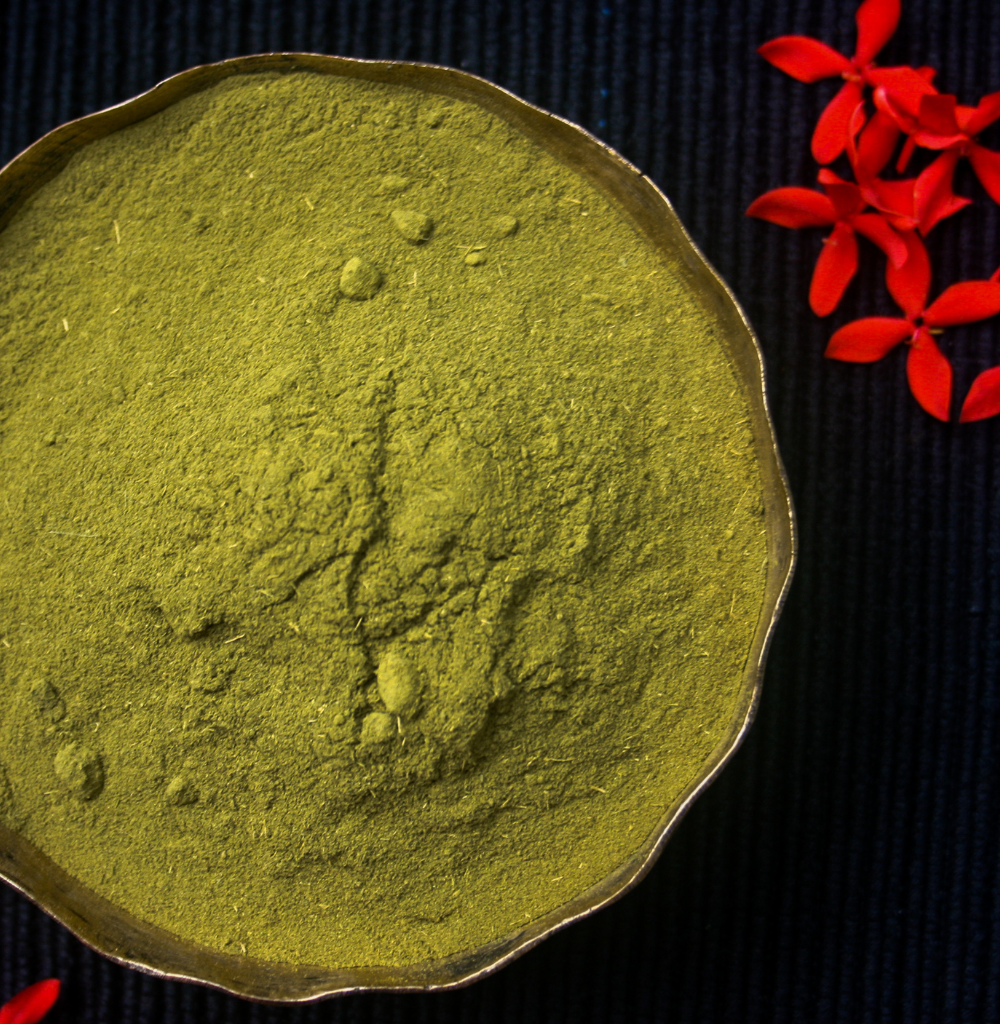
Texture: Whole grain flour, very similar to wheat flour in appearance.
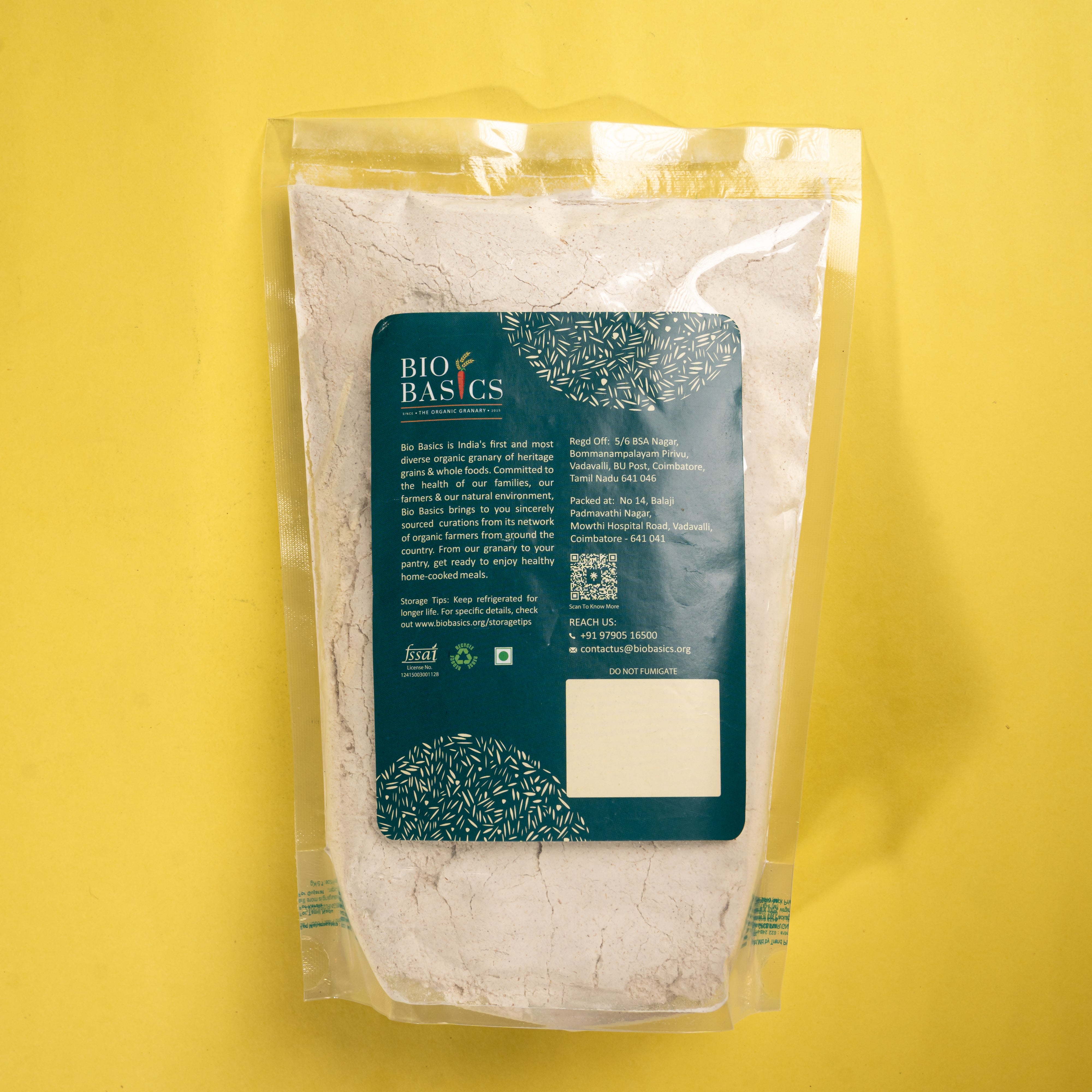
Origin: Bio Basics barley flour comes from near Udaipur in Rajasthan, grown by organic farmers of an organic farming collective, hulled, and sent to us. The flour is made fresh in small batches in a small mill with stone grinders.
Cooking Instruction:
Barley flour, due to its low gluten content, can be difficult to use for making rotis, especially for those unfamiliar with making bhakris with millets. For ease of use, combine barley flour with any wheat flour in a 1:1 ratio or a 1:2 ratio. This makes it easier to make rotis.
For making Bahkris and rotis with barley flour alone, mix the dough with hot water and then roll it out/flatten it with hand deftly and place it on a tava and make it like jowar and bajra rotis.
Additional Information
| Size |
500g, 1kg, 2kg |
|---|