














Barley
Barley
Description
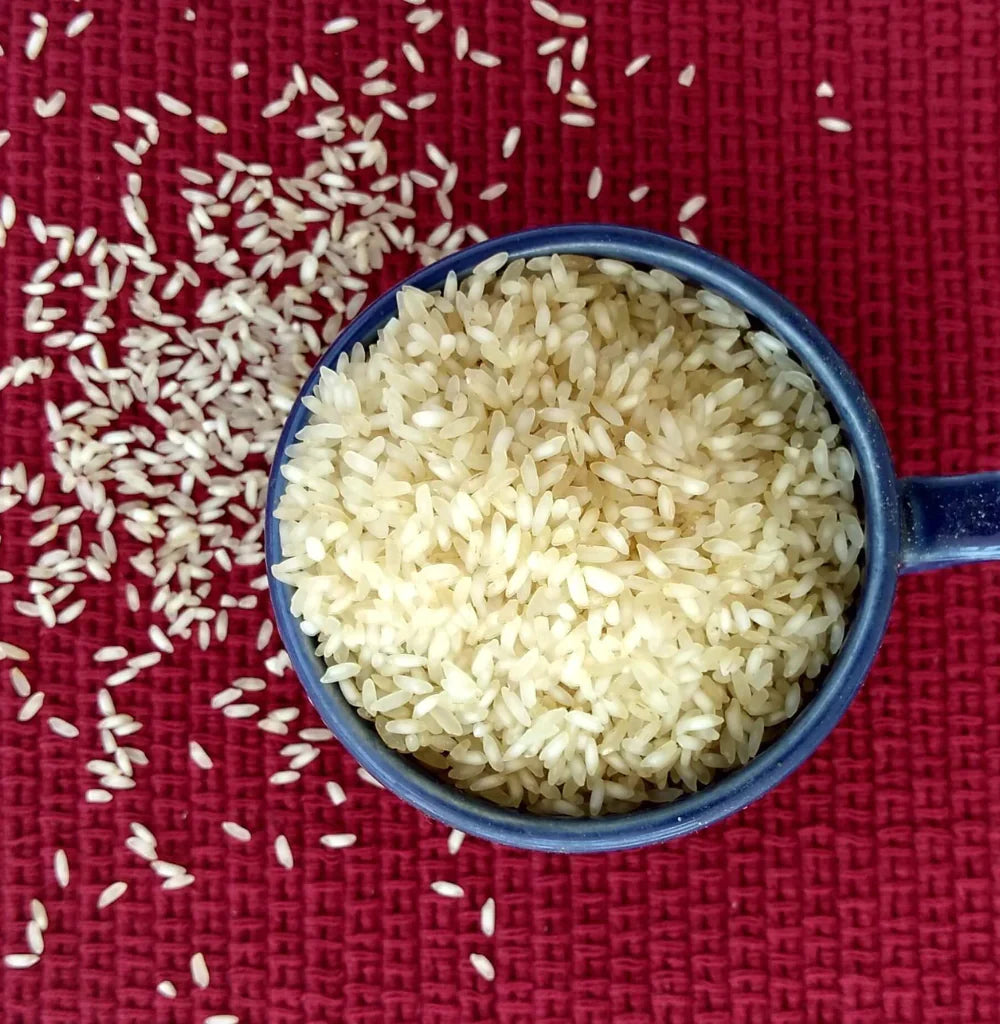
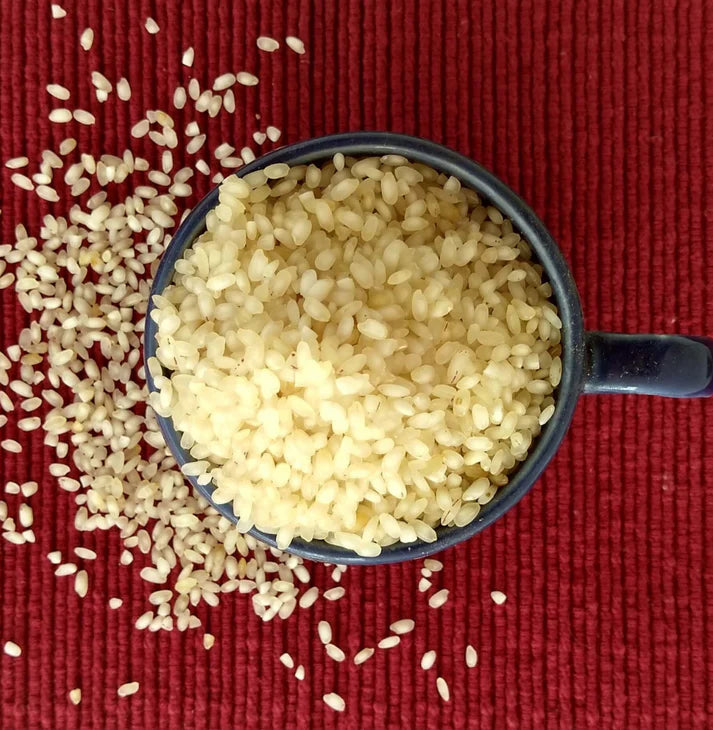
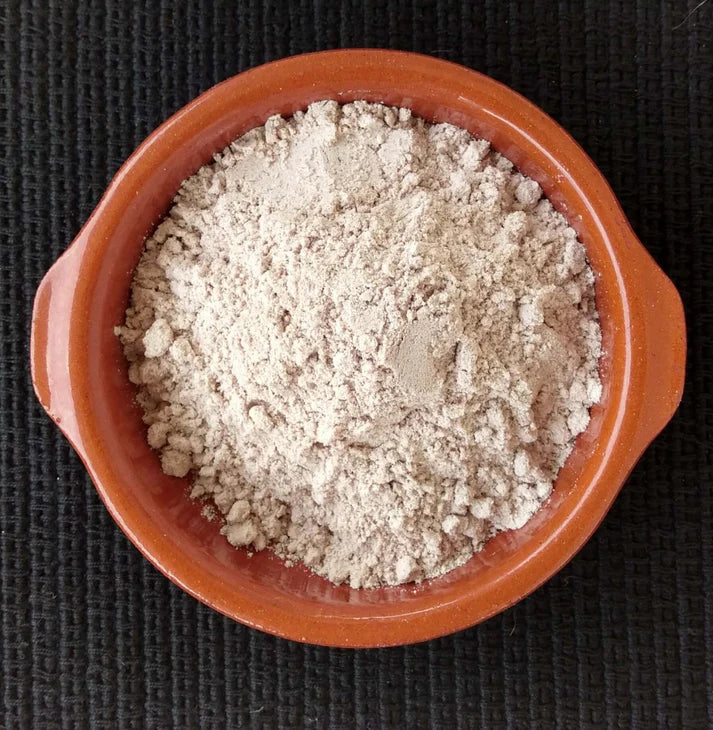
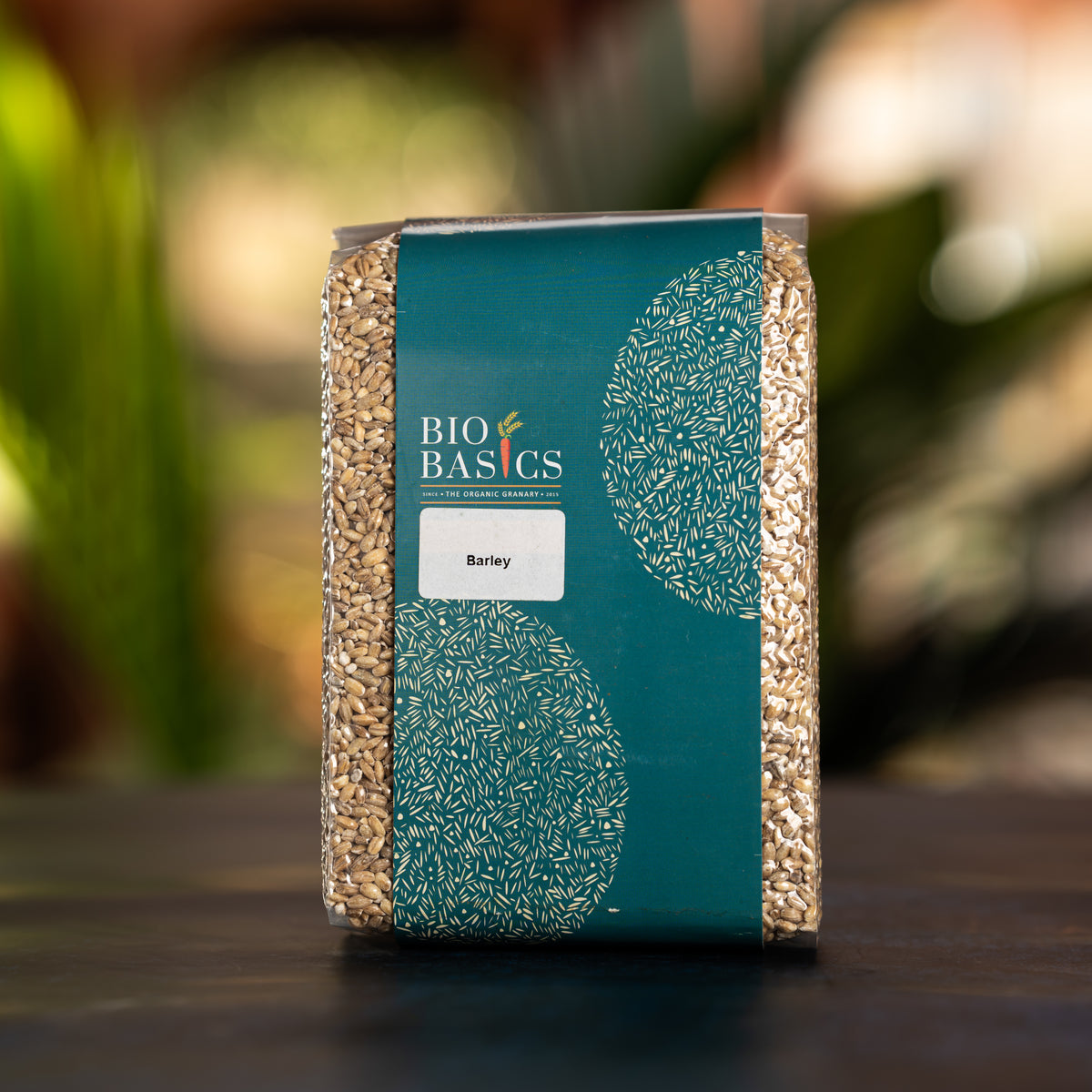
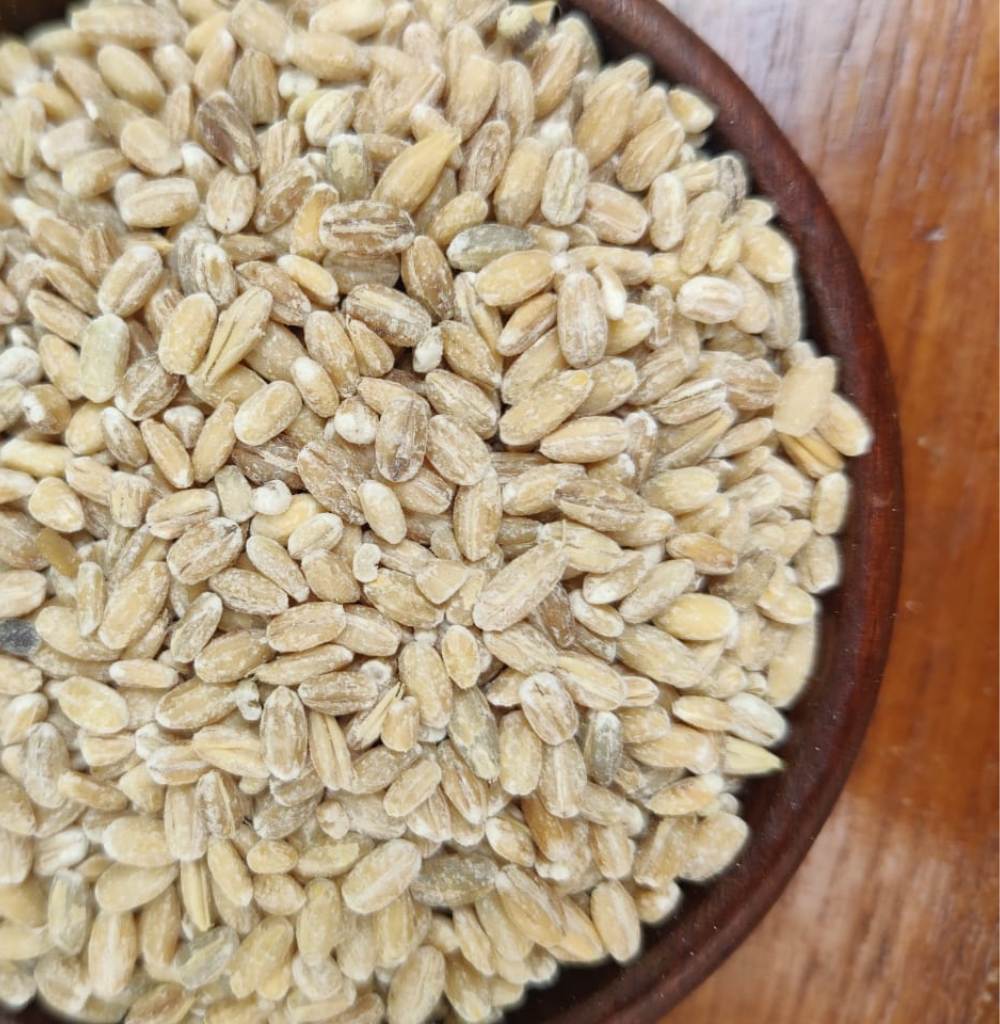
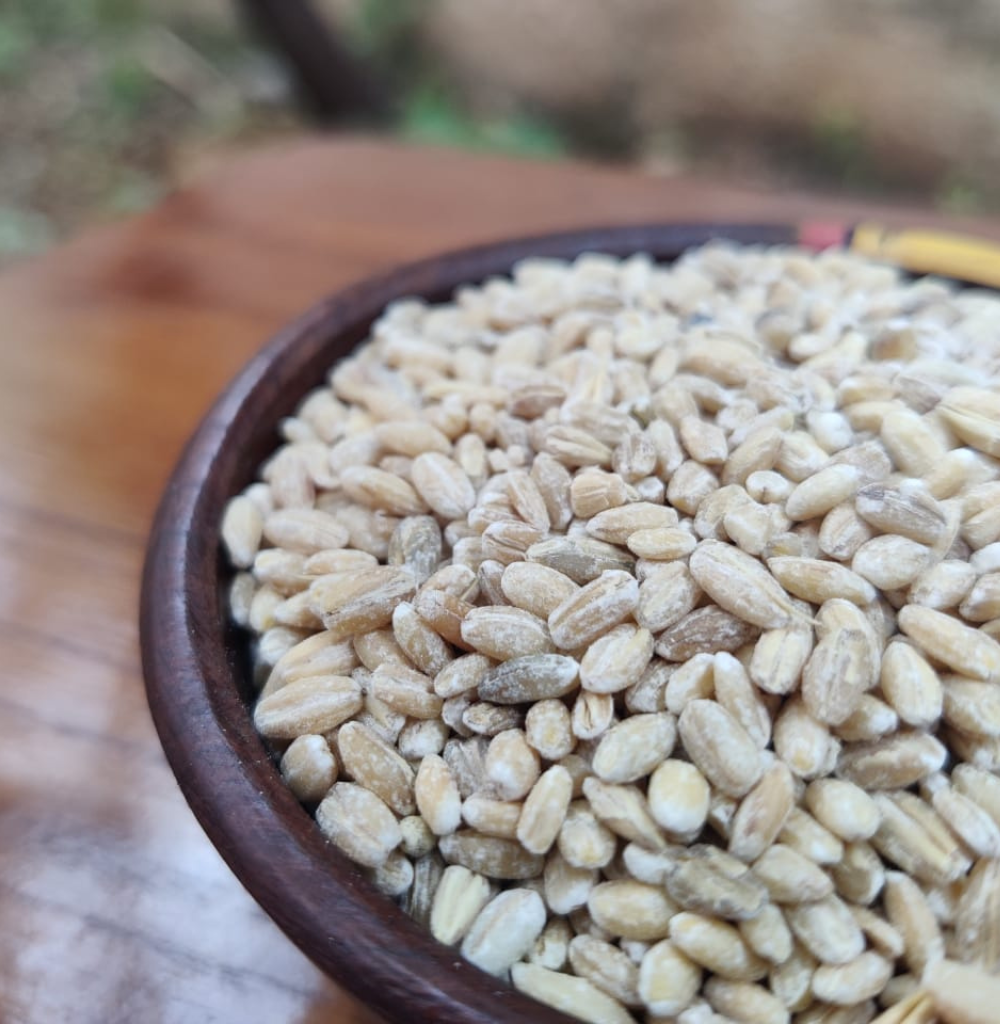
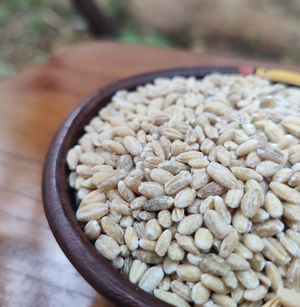
Barley (hulled) is whole barley grains that have been dehusked to remove their inedible cover, making it ready for further processing into flour, rava, or dalia. Barley grains can also be used as they are.
Barley, which looks very similar to wheat and is colloquially called "barley wheat," is not actually wheat. It is Hordeum vulgare, a member of the grass family and one of the oldest grains cultivated by mankind. Barley is called Jau in Hindi and Yava in Sanskrit; it is a much-revered ancient grain.
It is known for a nutty flavor; it is highly fibrous, rich in beta-glucan, magnesium, and selenium, and serves as a healthy alternative and lower GI (glycemic index), lower gluten alternative to wheat. It contains gluten, like wheat, but gluten levels are much lower.
Nutritional Profile:
High in soluble and insoluble fiber, which promotes satiety, aids in weight loss, and helps lower cholesterol.
Glycemic Index: Low GI, making it suitable for diabetic-friendly diets. It is cited as between 28- 35 based on publicly available data.
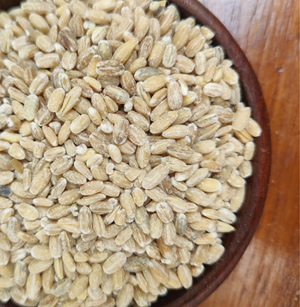
Texture: Whole grain, dehusked, looks like wheat.
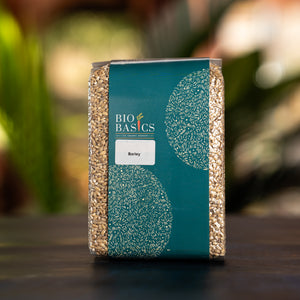
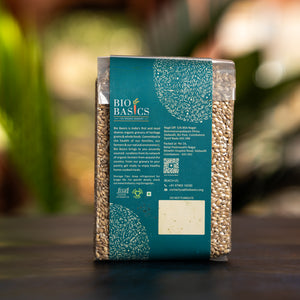
Origin: Bio Basics barley grain comes from near Udaipur in Rajasthan, grown by organic farmers of an organic farming collective, hulled, and sent to us. Rajasthan grows the maximum barley in India. The grain was almost forgotten due to difficulty in hulling, and even today almost 95% goes into fodder and malt.
Cooking Instruction
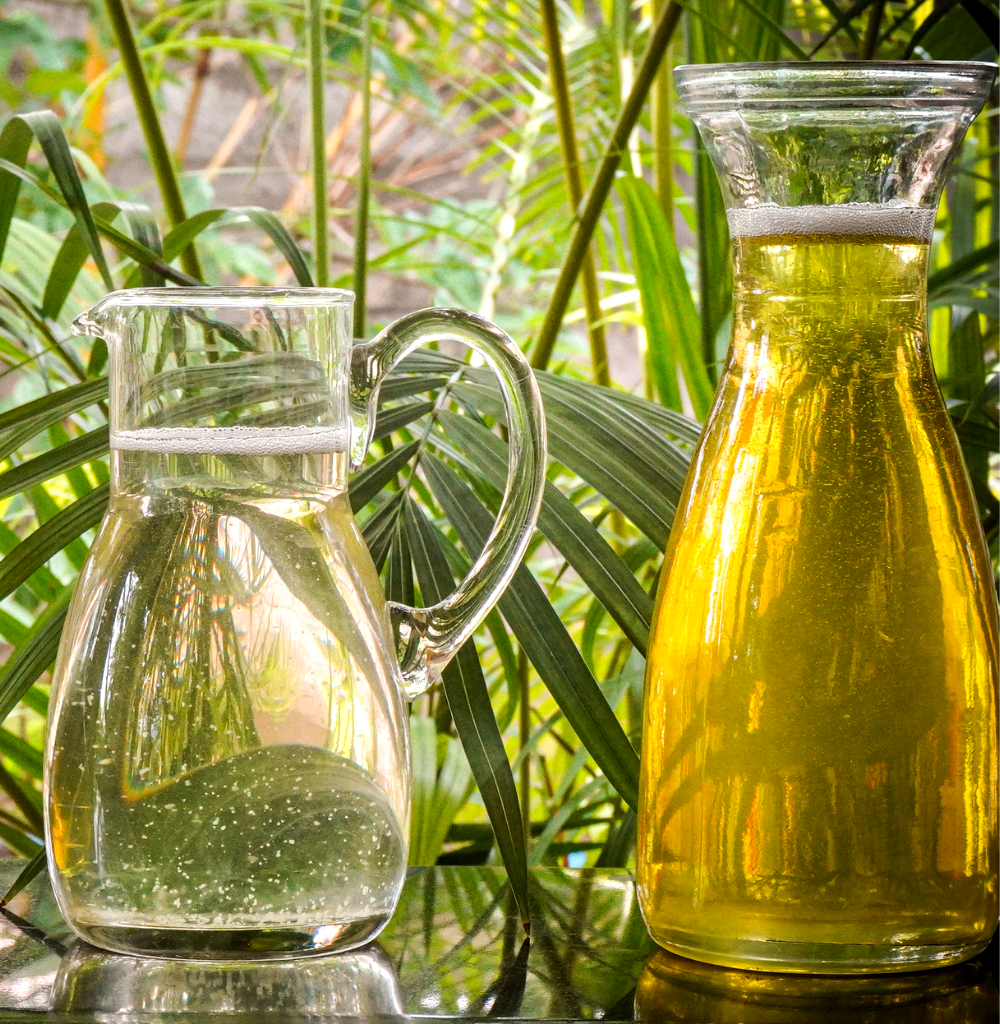
To cook: Barley grain can be pressure-cooked (about 6-7 whistles) to make barley water, which treats urinary tract infections and also acts as a diuretic. It is also used to cool the body. Barley grain is mostly used as flour or rava/semolina, or dalia/grits.
Additional Information
| Size |
1kg, 2kg, 5kg |
|---|