









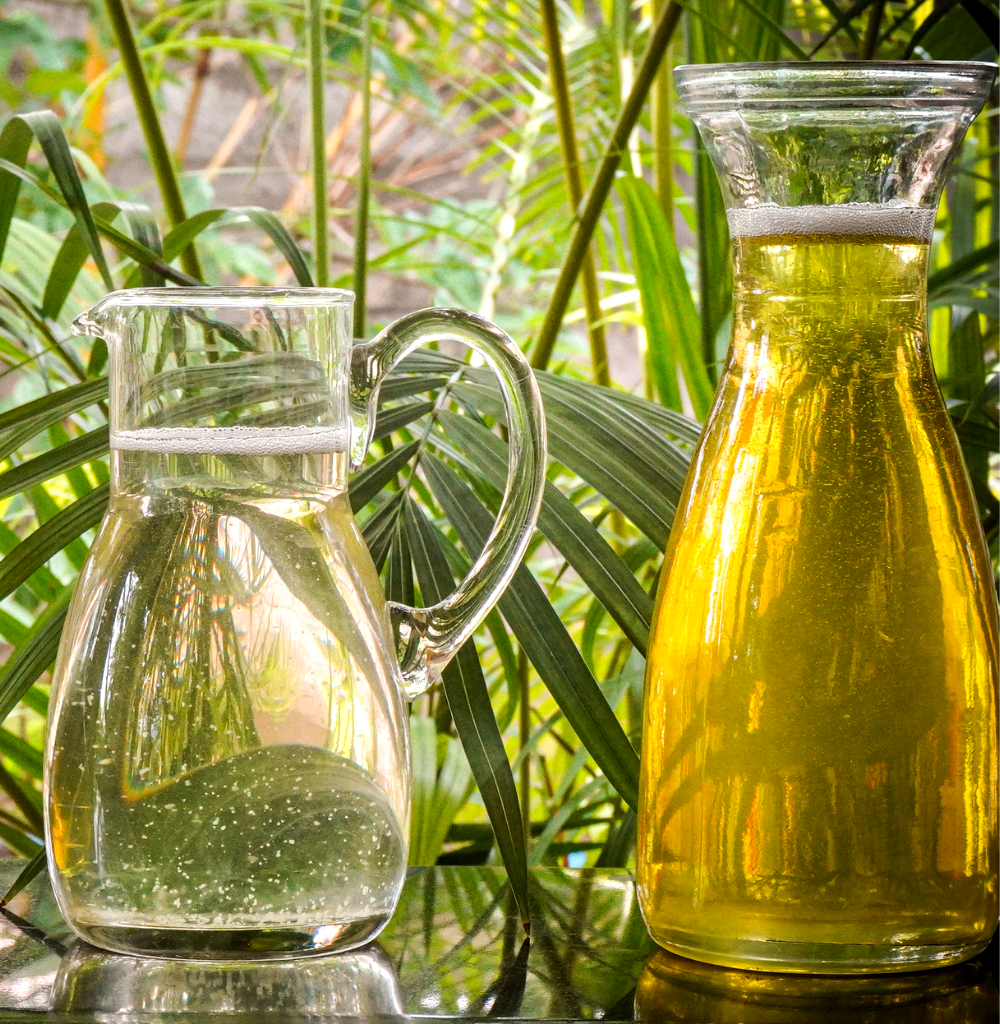




Just when we were beginning to think our age-old Kanji or rice porridge was too staid and traditional, we start seeing Congee cafes!
While we appreciate the Chinese Congee, here's revisiting our own Indian heritage of Kanji!
The good old Kanji is now making a come-back.
Kanji, during my childhood, was served most often when one was recovering from an illness (fever etc.)
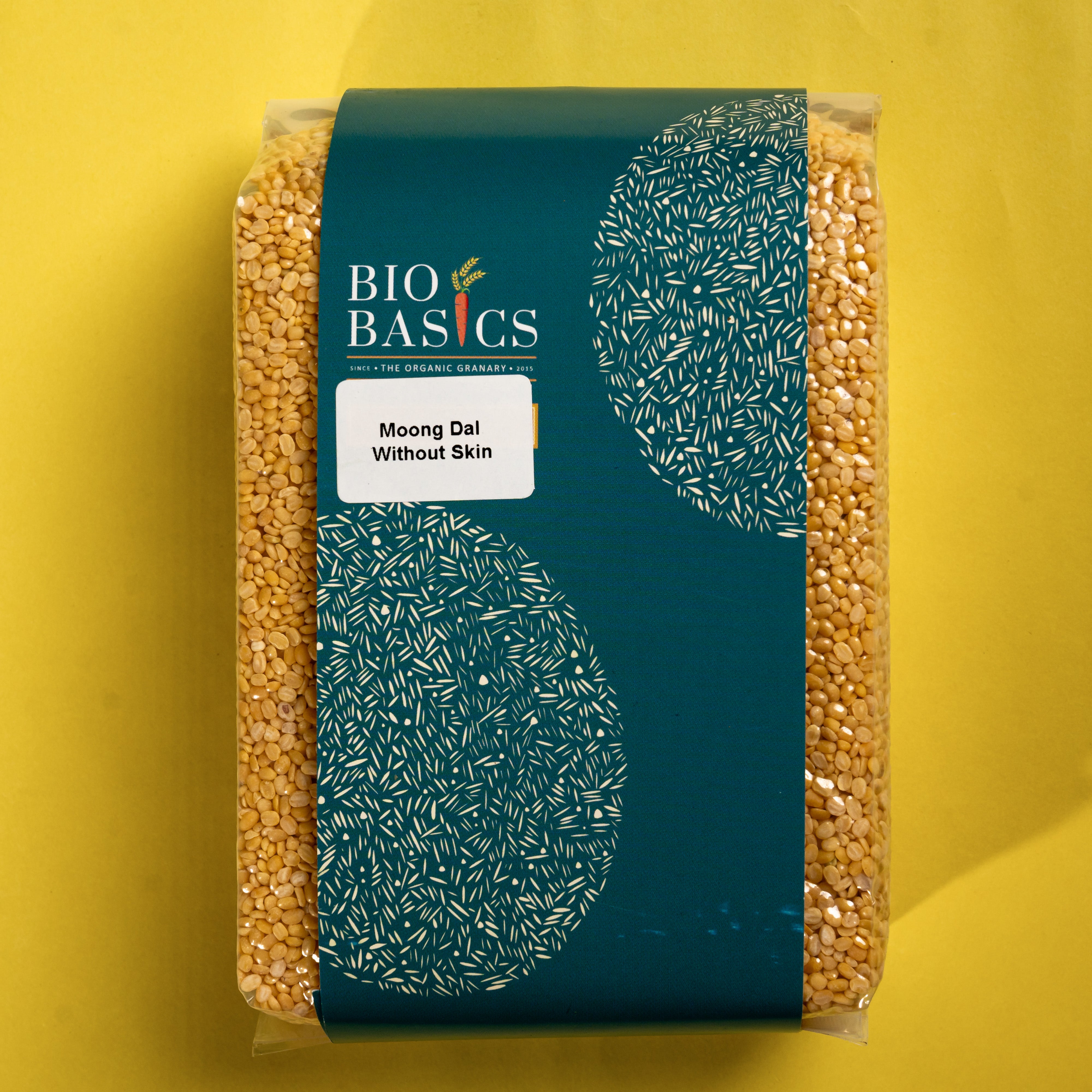
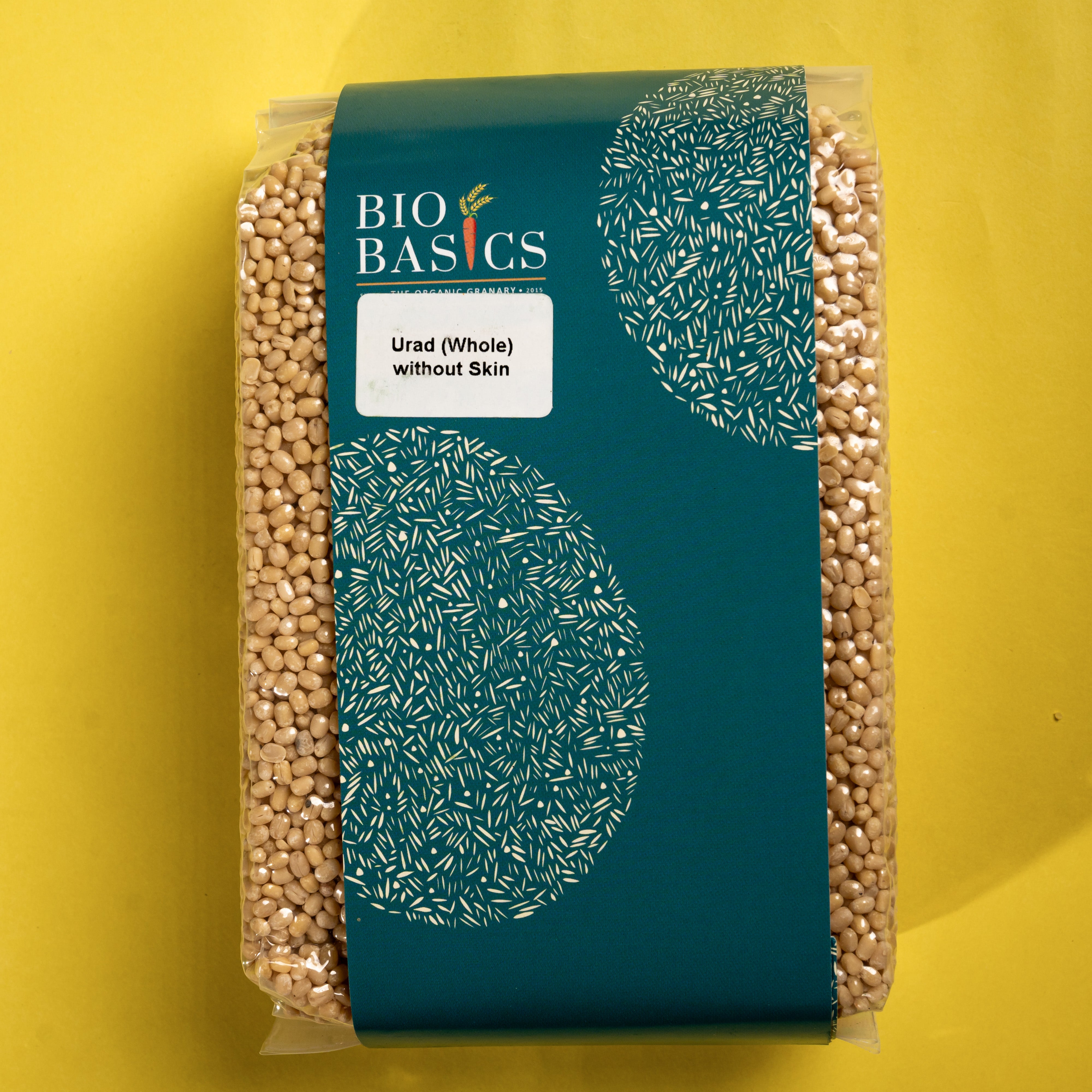
But there were nights where dinner would be super quick with Kanji & Payaru (whole mong or urad), pickle, and a papadum.
Especially during monsoon, when we tend to fall sick, and immunity is low, and the craving is for something piping hot.
In India, everyone is familiar with Kichadi (semi-liquid dish of rice and lentils), but Kanji is more common in the South and East (Bengali "Bhaat").
Turns out that our Kanji is not just an Indian concept.
Congee in China, Okayu in Japan, Juk in Korea (see the picture of the Korean cook book), Chao in Vietnam and Lugaw in Phillipines, it is an Asian phenomenon.
Kanji gets ignored in the face of fermented rice (rice kept overnight) and its probiotic nature.
But Kanji has unique benefits as well.
* Easy to digest
* Easy to make (no recipe required!)
* Very versatile (combine it with any plant or animal protein, and/or veggie toppings).
* Made of rice, it is energizing, especially during convalescing (recovering from illnesses).
No wonder it is ideal for babies and for the elderly!
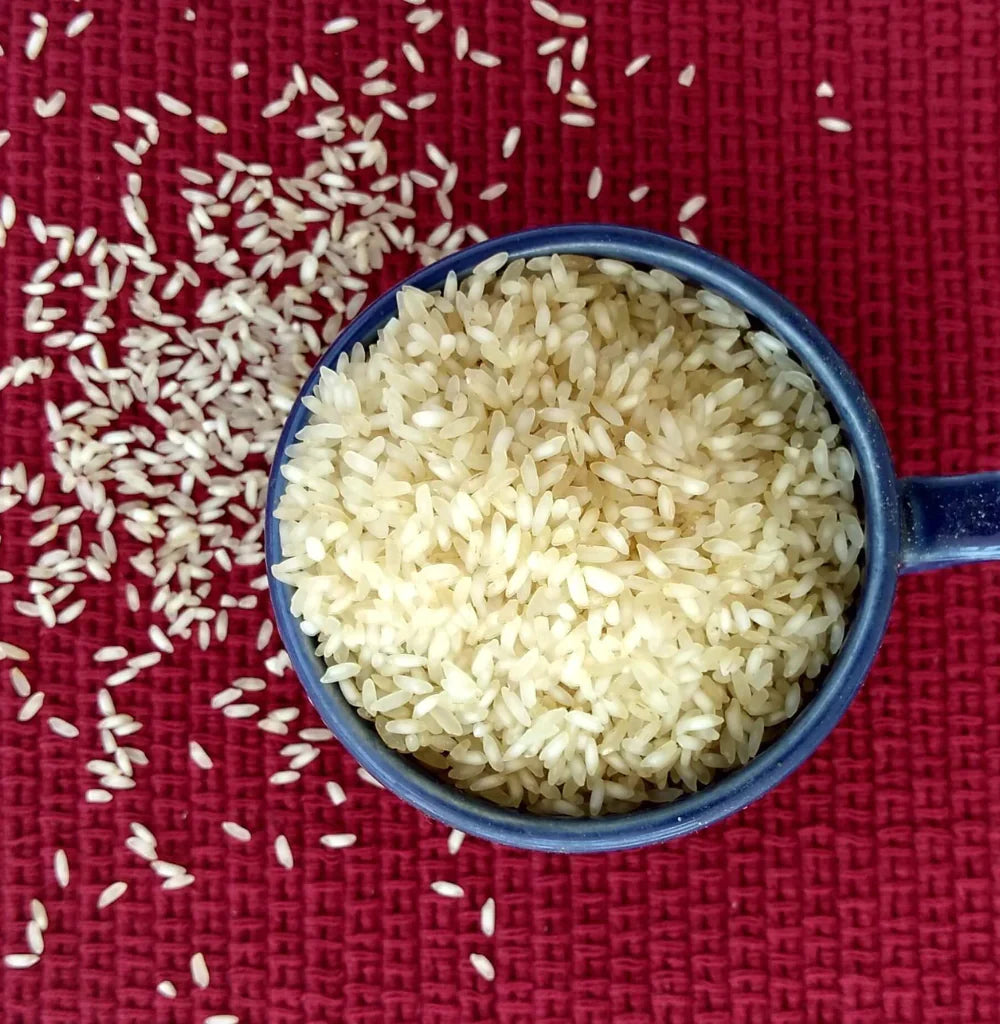
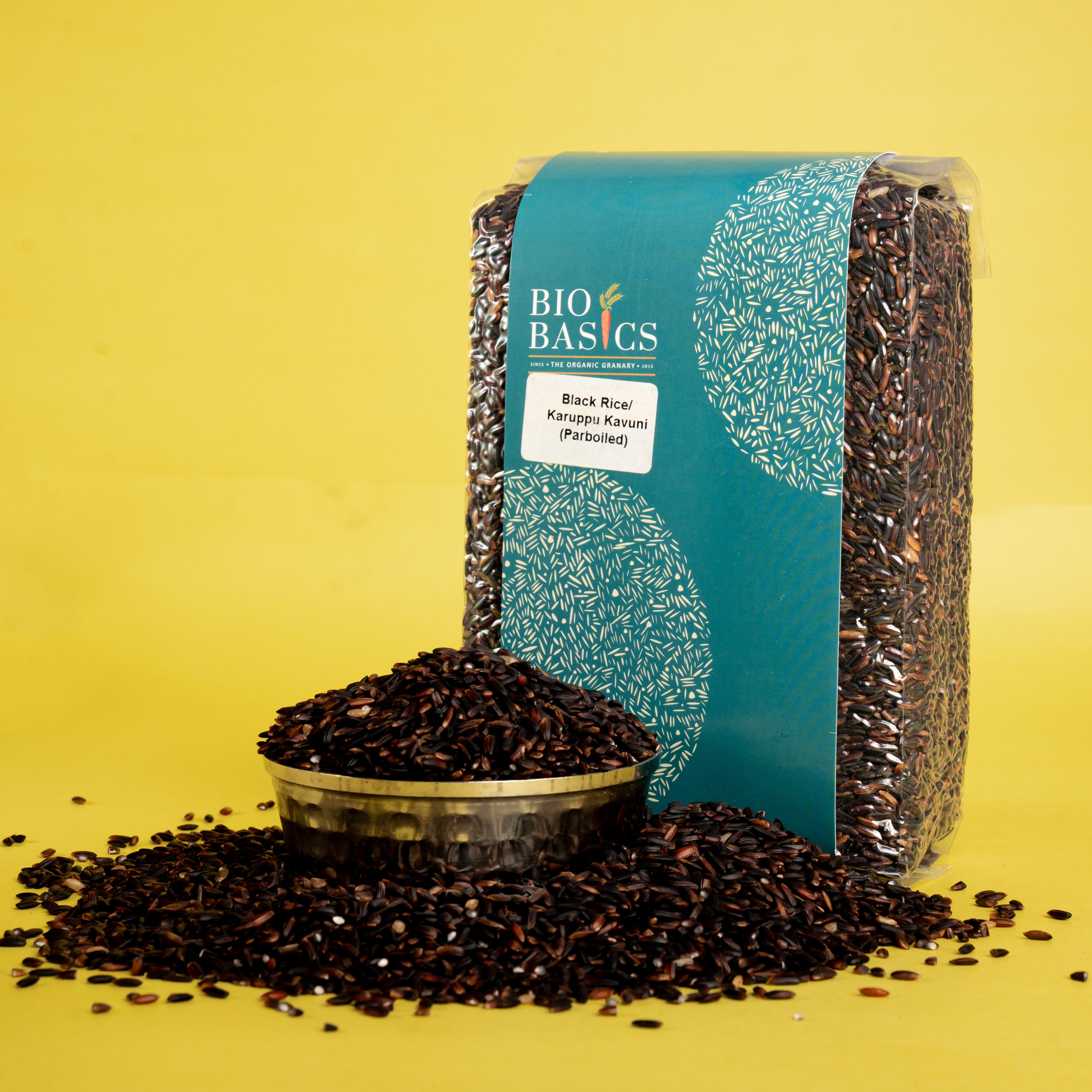
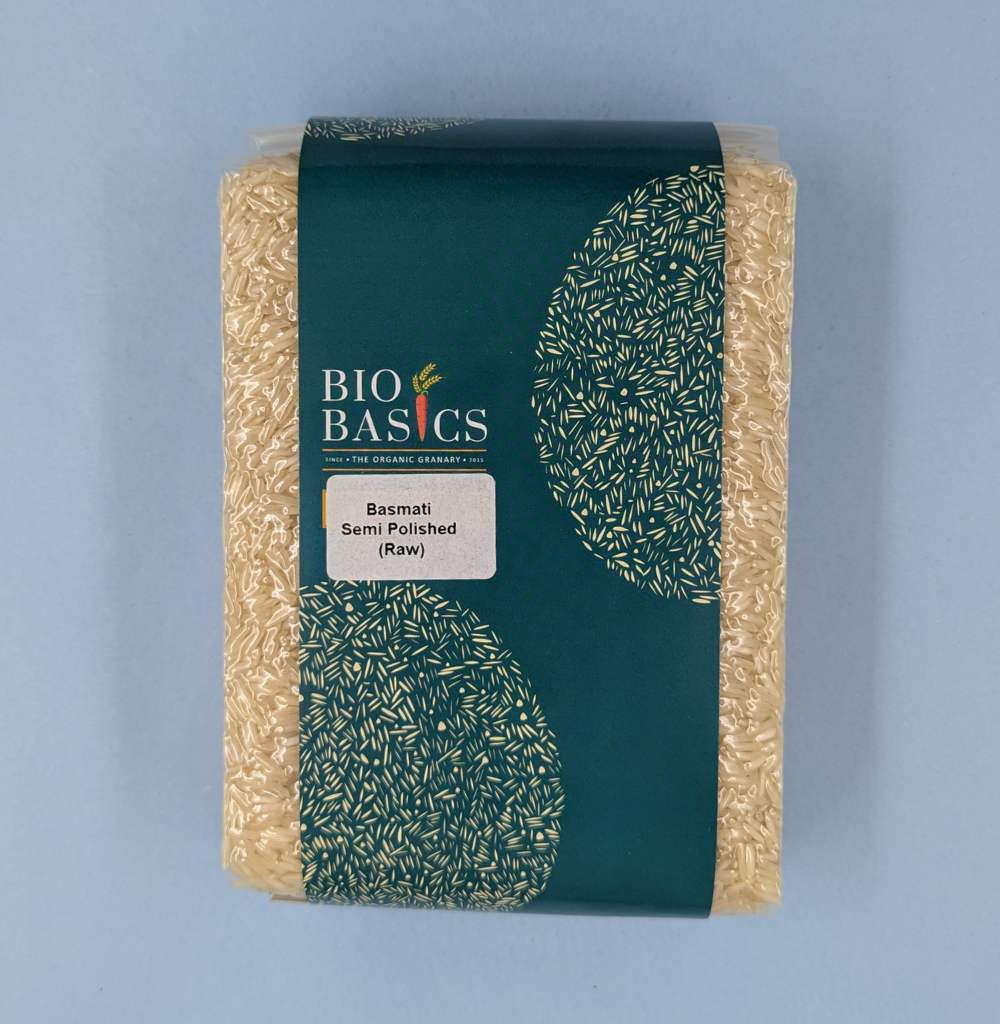
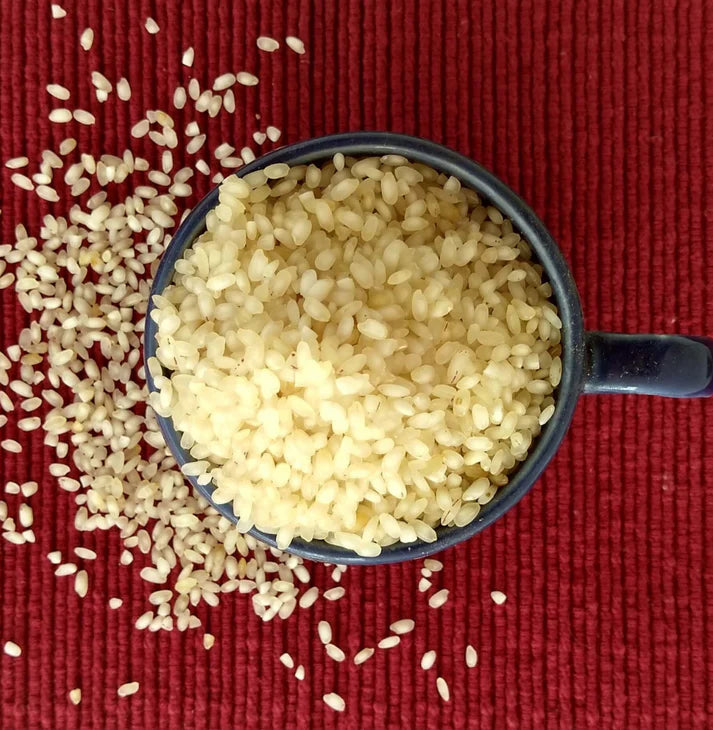
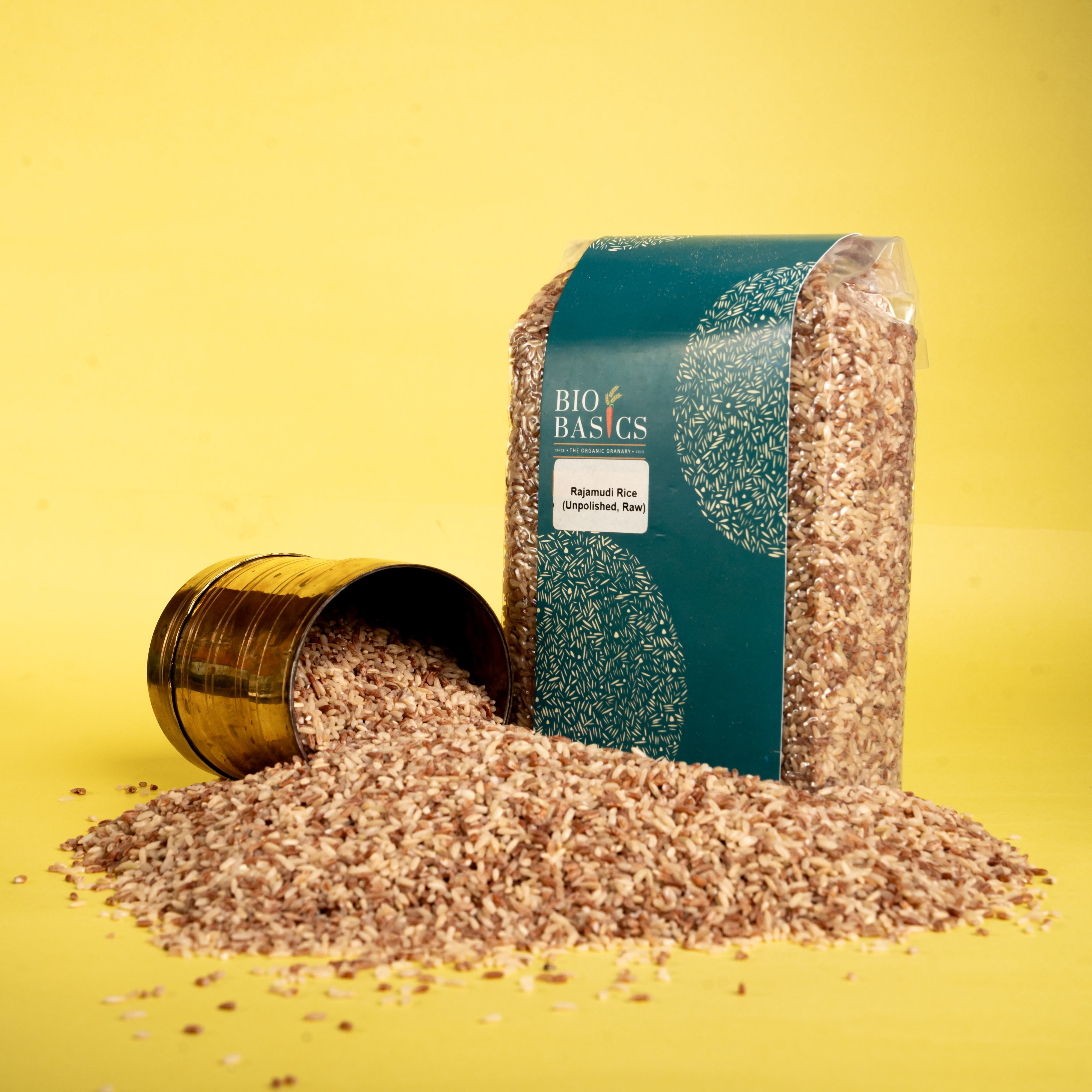
Bio Basics has its favorite Kanji rices.
* Rakthashaali - red, small grain, nice texture
* Illupaipoo Samba - white, sticky rice
* Navarra - red, medicinal
* Kuruva - red, parboiled, and small grain
Try it at home, and let us know which rice you like most.
Cook them on slow heat with water. (Don't have to worry about rice to water ratio!!)
Add whole moong curry, or any subzi or vegetable side on top.
Pair it with a pickle and papadum.
And life is good! Enjoy!