












Aaloo Parantha is a comfort food for me. And that is so for many of us.
Pair it with some curd and pickle, and life is good!
Parantha, for those who are not familiar, is layered or stuffed roti.
The usual stuffing is potato, cauliflower or radish, or a combination thereof.
But making a parantha can be tricky. It has to be rolled out carefully with the stuffing in there. Not everyone can do it well.
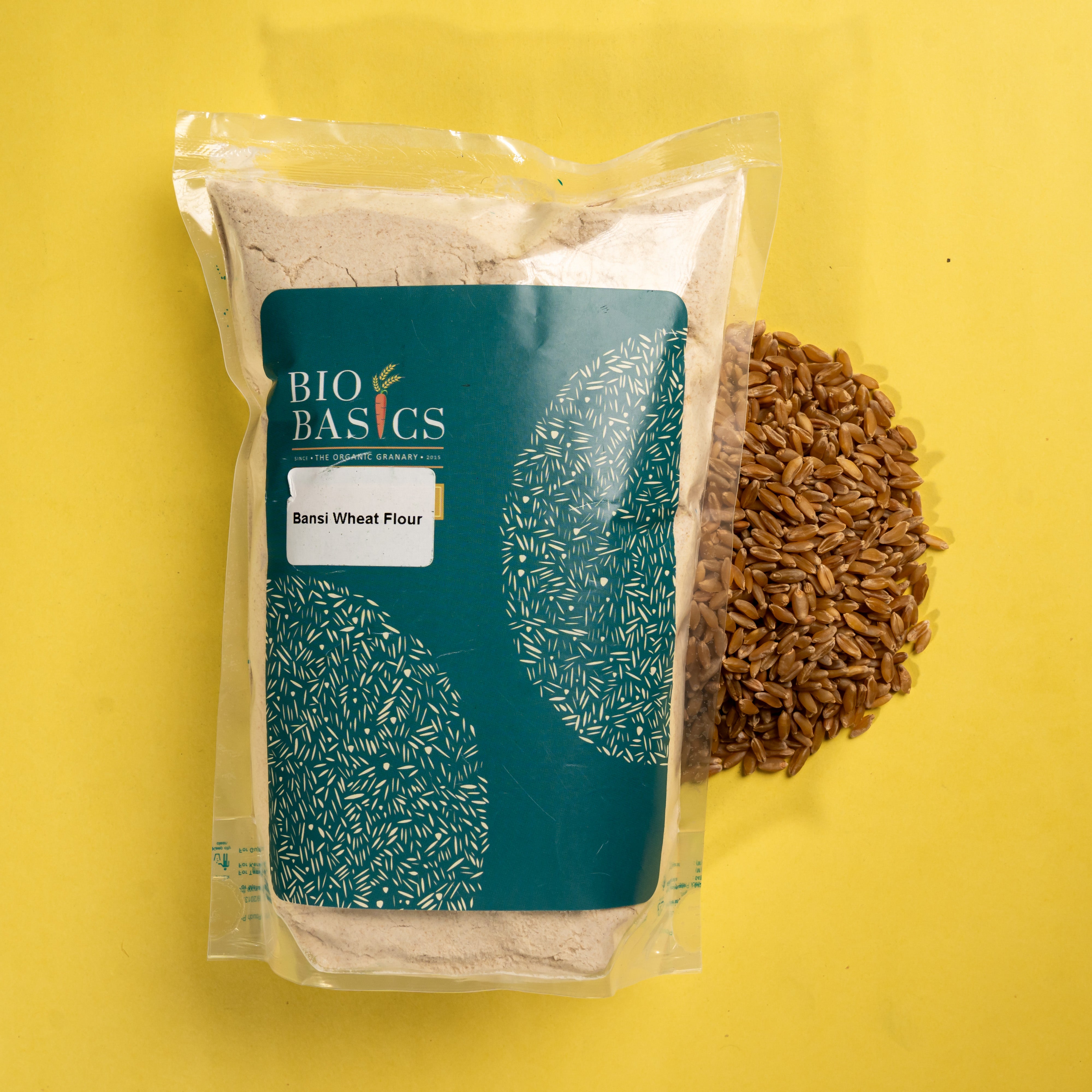
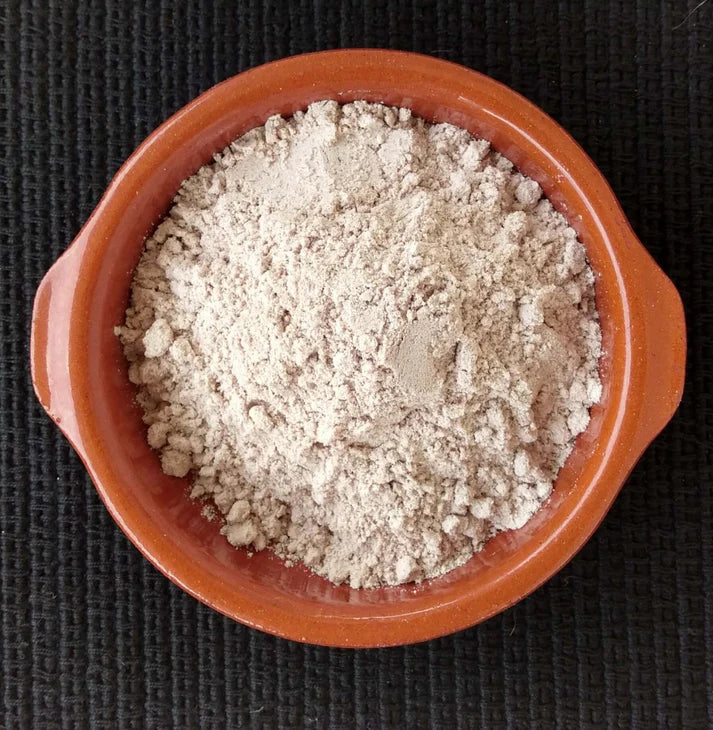
Until I discovered Bansi Wheat flour.
You CANNOT go wrong making Paranthas with this flour.
Why?
For those who care about it, here is the science behind it.
(If you don't care why, skip to the Shop Now button below and go try it yourself!)
Bansi is a durum wheat variety. A heritage variety.
Durum indicates that it is relatively hard to grind.
Partly the reason why it got sidelined by the British over other varieties that are softer (ideal for British Mills).
Modern day mills (like the one we use at Bio Basics) are able to handle Bansi and produce good quality flour.
Also, with western diet coming in, rotis & paranthas got superseded by bread.
Bread required the wheat to "rise". And Bansi did not have that quality.
So newer varieties, called "Bread Wheat", came along and dominated the market.
Bansi got left behind.
The quality of Bansi is it has more gluten, so it may not be advisable for those with gluten intolerance.
But for that very reason, it spreads well and can be rolled out very well.
That also makes Bansi a great option for making pasta, where the flour needs to hold shape.
That is why Bansi can be rolled very well for Paranthas. Relatively high gluten, and sturdy enough to hold shape.
Imagine the joy when I discovered this!
Now we don't have to use the same wheat for roti, bread and parantha!
Diversity of wheat allows us to pick and choose what's best for each of us, and for each of our dishes.
Some with low gluten, some great for fluffy rotis and breads, and some for paranthas.
Picture is of peas and cauliflower (Gobi-Mutter) Parantha.
Try it out and see the difference yourself.